
Post #1
The field of disability studies is increasingly dynamic and undergoing rapid change. Formerly ensconced in the medical model of disability and deficit-based evaluation and supports, increasingly the trend is towards including both the voices of professionally trained ‘experts’ and lived experience ‘experts’ – the disabled persons themselves, their family members, and their social and community-based networks. People with disabilities have been historically marginalized, discriminated against, devalued, and excluded from adult learning environments but there has been an increasing self-advocacy impetus for diverse, person-centered supports. Educators in the disability fields are increasingly embracing or at least considering universal design principles in how educational materials are shared, and the ways in which we create, share and use learning spaces to include various kinds of learners.
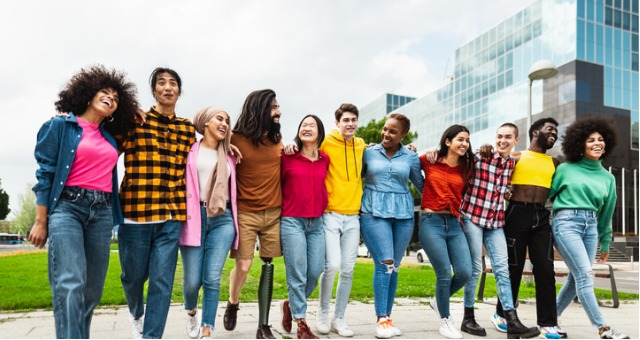
This article entitled Bridging the Gap: Overcoming Barriers in Higher Ed for Students with Disabilities including Neurodivergent Learners, by contributors by Inbar Av-Shalom, Nisha Malhotra, and Ali Tatum, published in the online magazine Faculty Focus does an excellent job in giving a general overview on the ways we might help to bridge the gap to include and welcome students with disabilities including neurodivergent learners in our learning environments.
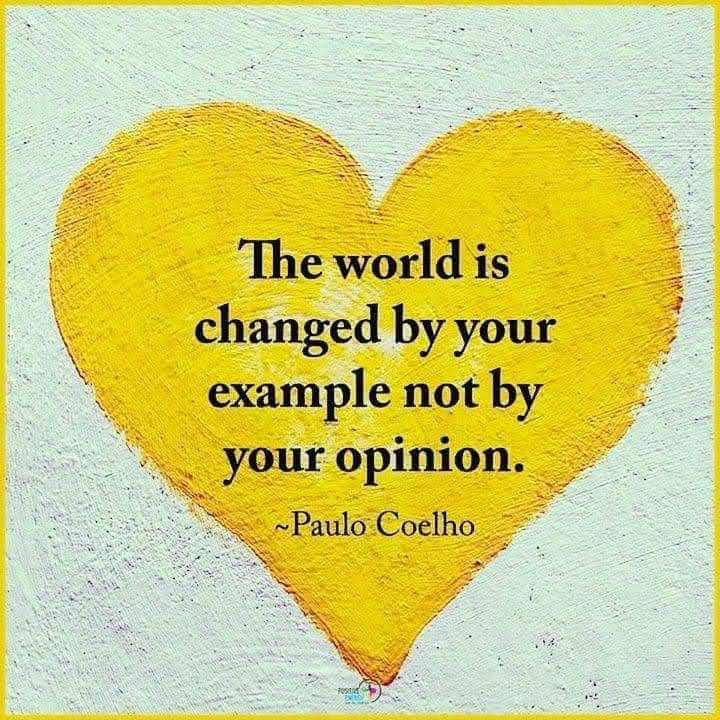
 DIVERSITY IS STRENGTH ....
Leave a comment